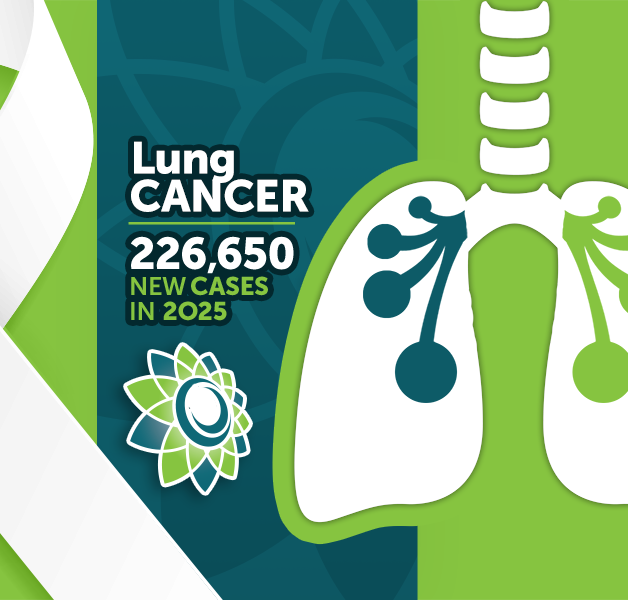
As a radiation oncologist, I meet far too many patients when their lung cancer has already spread to other parts of the body. It is a heartbreaking scenario, especially because it doesn’t have to be this way. Lung cancer remains the leading cause of cancer death in the United States, yet we have a proven, life-saving tool that is vastly underused: the low-dose computed tomography (LD-CT) scan.
For years, lung cancer screening guidelines were notoriously rigid, inadvertently excluding many people at high risk. A decade ago, the recommendations only covered individuals aged 55 to 80 with a massive 30 “pack-year” smoking history (equivalent to smoking a pack a day for 30 years). Furthermore, you only qualified if you were actively smoking or had quit within the previous 15 years. Because of these strict thresholds, millions of at-risk individuals slipped through the cracks, and tumors went undetected until they were incurable.
Fortunately, the medical community has recognized this gap. Recent updates have drastically expanded who is eligible, and both doctors and the general public need to know. The U.S. Preventive Services Task Force (USPSTF) recently lowered the screening age to 50 and reduced the smoking history requirement to just 20 pack-years (equivalent to a pack a day for 20 years, or two packs a day for 10 years).
Even more groundbreaking is the American Cancer Society’s late 2023 update, which eliminated the “years since quitting” requirement entirely. Today, the latest consensus is clear: if you are between 50 and 80 years old and have a 20 pack-year smoking history, you should be screened annually with an LD-CT, regardless of whether you quit yesterday or three decades ago.
The test itself is very convenient. An LD-CT scan takes just a few minutes, requires no needles or fasting, and exposes the patient to a fraction of the radiation of a standard CT scan. It takes detailed, cross-sectional pictures of the lungs, allowing us to spot tiny early-stage nodules long before they cause any symptoms like a cough, bleeding, or shortness of breath.
What happens if we do find something? Many people avoid screening because they are apprehensive of the treatment options. But the landscape of lung cancer treatment has been revolutionized. For patients whose lung cancer is caught early through screening, we now offer a highly effective, non-invasive treatment called Stereotactic Radiation.
Using stereotactic radiation, we can deliver pinpoint accurate doses of radiation directly to a small lung tumor while sparing the surrounding healthy tissue. This treatment typically takes only three to five short outpatient sessions. There is no cutting, no anesthesia, and virtually no downtime. Patients can drive themselves home afterward. The cure rates for early-stage lung cancer treated with stereotactic radiation are exceptionally high, rivaling those of traditional surgery, making it an ideal option for older patients or those with other medical issues like COPD or heart disease.
We are no longer fighting lung cancer in the dark ages. We now have the technology to detect it early and the tools to cure it painlessly. But these advances are useless if we don’t screen the people at risk. For anyone who has smoked, please ask your doctor about a LD-CT for lung cancer screening. It only takes five minutes, and it could save your life.
–Eugene Huang, MD – Medical Director and Radiation Oncologist